Smart Bee Looking Through a Magnifying G: A Symbol of Curiosity and Learning
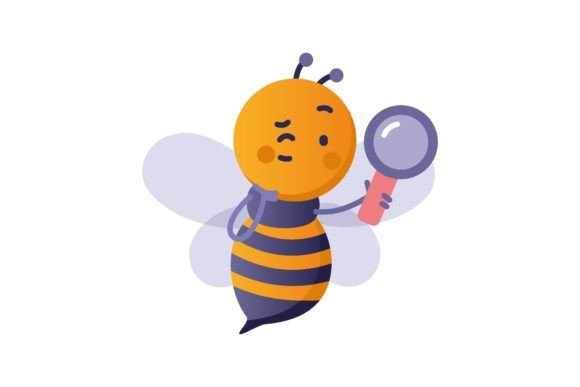
The image of a smart bee looking through a magnifying glass is more than just an engaging visual—it represents the essence of curiosity, discovery, and the pursuit of knowledge. This vector illustration, often associated with the education concept, serves as a powerful metaphor for students, educators, and lifelong learners alike. Whether you're preparing for back to school or seeking ways to enhance your learning experience, the idea of a smart bee examining the world through a magnifying glass can offer valuable insights.
Understanding the Concept of Smart Bee Looking Through a Magnifying Glass
The smart bee looking through a magnifying glass is a creative representation of a student who is eager to explore, analyze, and understand their environment. In this context, the bee symbolizes focus, intelligence, and diligence—traits that are essential for academic success. The magnifying glass, on the other hand, represents the tools and methods used to gain deeper knowledge and uncover hidden details.
This imagery is particularly relevant in educational settings, where students are encouraged to ask questions, investigate, and think critically. The smart bee embodies the ideal learner: someone who is not only curious but also committed to discovering the truth behind what they encounter.
Challenges and Goals Associated with the Smart Bee Concept
For many students, the transition back to school can be both exciting and daunting. Challenges such as adapting to new routines, managing time effectively, and staying motivated can create obstacles to learning. However, the smart bee looking through a magnifying glass offers a way to approach these challenges with a sense of purpose and clarity.
One of the key goals of the smart bee concept is to foster a mindset of inquiry. Instead of simply absorbing information, students are encouraged to question, explore, and engage with material on a deeper level. This approach can help overcome common hurdles like lack of interest, difficulty retaining information, or feeling overwhelmed by academic demands.
How the Smart Bee Can Help Address Educational Needs
The smart bee looking through a magnifying glass can serve as a motivational tool for students and educators. By visualizing themselves as diligent learners, students may feel more empowered to take charge of their education. This mindset shift can lead to improved focus, better study habits, and a greater sense of ownership over their learning journey.
For educators, incorporating the concept of the smart bee into classroom activities can inspire creativity and engagement. Teachers might use the image as a reminder of the importance of critical thinking and exploration. Lessons can be designed around the idea of "looking closely" at subjects, encouraging students to examine topics from multiple perspectives.
Practical Applications of the Smart Bee Concept
The smart bee looking through a magnifying glass can be applied in various educational contexts. For example, in science classes, students can use the concept to emphasize the importance of observation and experimentation. In literature, it can encourage close reading and analysis of texts. In math, it can highlight the value of breaking down complex problems into smaller, manageable parts.
Additionally, the smart bee concept can be integrated into project-based learning, where students work on long-term assignments that require research, planning, and problem-solving. This approach mirrors the behavior of a bee that carefully examines its surroundings before taking action, ensuring that every step is thoughtful and intentional.
Examples and Recommendations for Using the Smart Bee Concept
One practical way to incorporate the smart bee concept is through the use of visual aids in the classroom. Teachers can display images of bees with magnifying glasses to reinforce the idea of careful observation and critical thinking. Students can also create their own illustrations or digital representations of the smart bee, using them as a personal reminder to stay focused and curious.
Another recommendation is to encourage students to keep a "learning journal" where they document their observations, questions, and discoveries. This practice aligns with the spirit of the smart bee looking through a magnifying glass, as it promotes reflection and continuous improvement. Parents and educators can support this habit by asking open-ended questions and praising students for their efforts to explore and understand.
Considering Different Approaches to the Smart Bee Concept
While the smart bee looking through a magnifying glass is a powerful symbol, different individuals may interpret and apply it in unique ways. Some students may find inspiration in the idea of being a diligent learner, while others may relate more to the aspect of curiosity and exploration. Educators, too, may choose to adapt the concept based on the needs and interests of their students.
For instance, a teacher working with younger children might use the smart bee as a fun and relatable character to introduce concepts like attention to detail and perseverance. In contrast, a high school teacher might use the image to discuss the importance of critical thinking and analytical skills in academic and real-world settings.
Conclusion: Embracing the Smart Bee Mindset
The smart bee looking through a magnifying glass is more than just an artistic representation—it's a reminder of the power of curiosity, focus, and determination. Whether you're a student, educator, or lifelong learner, adopting the mindset of the smart bee can lead to meaningful improvements in your approach to learning and problem-solving.
By embracing the concept of the smart bee, individuals can develop a deeper appreciation for the process of discovery and the value of careful observation. As we continue to navigate the challenges of education and personal growth, the image of a smart bee examining the world through a magnifying glass serves as a timeless symbol of intellectual pursuit and continuous learning.