Back to School Study: A Comprehensive Guide for Educators and Students
As the academic year approaches, the concept of Back to School Study becomes increasingly relevant. This term refers to the process of preparing for the new school year through organized learning strategies, resource planning, and mental readiness. Whether you're an educator, student, or parent, understanding how to approach Back to School Study effectively can make a significant difference in the success of the upcoming term.
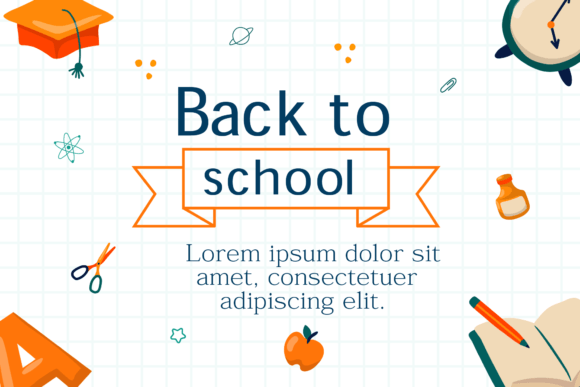
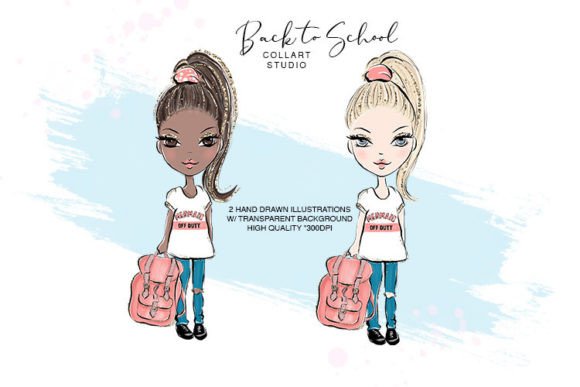
One of the key components of a successful Back to School Study plan is having access to high-quality digital resources. These materials not only support learning but also provide flexibility and ease of use. For instance, digital files such as AI, EPS, SVG, JPG, and PNG formats offer a range of benefits depending on the user's needs. These formats are ideal for educators looking to create engaging lesson plans, students seeking visual aids, and designers aiming to integrate educational content into their projects.
The Importance of Digital Resources in Back to School Study
Digital resources play a crucial role in modern education. They allow for easy customization, accessibility, and scalability. For example, an AI file enables users to edit and modify designs with precision, making it a valuable tool for educators who want to tailor materials to their students' needs. Similarly, an EPS file ensures compatibility across various design software, while an SVG file provides vector-based clarity that remains sharp at any size.
High-resolution JPG and PNG files are particularly useful for creating visually appealing presentations or handouts. With a canvas size of 1920px X 1280px and a resolution of 300 PPI, these files maintain quality even when printed or displayed on screens. This level of detail is essential for ensuring that educational materials are clear and easy to read, which enhances the overall learning experience.
Practical Applications of Back to School Study Materials
The versatility of these digital files makes them suitable for a wide range of applications. Educators can use them to create interactive lessons, while students can benefit from visual aids that help reinforce concepts. Additionally, creators and designers can incorporate these files into their work to add a professional touch to their projects.
For instance, a teacher might use an SVG file to design a classroom poster that highlights important dates or subjects. A student could use a high-resolution JPG to create a study guide that includes diagrams and charts. Meanwhile, a graphic designer might integrate these files into a marketing campaign aimed at promoting back-to-school products or services.
Benefits of Using High-Quality Digital Files
There are several advantages to using high-quality digital files for Back to School Study. First, they ensure consistency in design and presentation. This is especially important when creating materials that will be used across multiple platforms or shared with a large audience. Second, these files are easy to edit and update, allowing users to make changes as needed without starting from scratch.
Another benefit is the ability to share and distribute these files effortlessly. Whether through email, cloud storage, or online platforms, digital files can be accessed by anyone with an internet connection. This makes them ideal for remote learning environments or hybrid classrooms where students may not have access to physical materials.
Considerations When Selecting Back to School Study Materials
While digital files offer numerous benefits, there are some considerations to keep in mind when selecting the right resources for your needs. One of the most important factors is the format. Different file types serve different purposes, so it's essential to choose the one that best suits your project or application.
Additionally, users should consider the compatibility of the files with their preferred software or tools. For example, an AI file may require specific design programs to open and edit, while an SVG file is generally more universally supported. It's also worth noting that some file types may have limitations in terms of color depth, transparency, or scalability, which could affect the final output.
Real-World Examples of Back to School Study Success
Many educators and students have successfully utilized digital resources to enhance their Back to School Study efforts. For example, a middle school teacher in California used a set of high-resolution PNG files to create a series of flashcards that helped her students memorize vocabulary words. The visual elements made the learning process more engaging and effective.
In another case, a group of college students collaborated on a project using AI and EPS files to design a presentation on environmental sustainability. The ability to easily edit and refine their work allowed them to produce a polished final product that received positive feedback from their professor.
How to Maximize the Value of Your Back to School Study Resources
To get the most out of your Back to School Study materials, it's important to plan ahead and organize your resources effectively. Start by identifying your goals and determining which file types will be most useful. Then, create a system for storing and accessing these files, whether through a digital library, cloud storage, or a dedicated folder on your computer.
Another strategy is to experiment with different formats and see which ones work best for your specific needs. For example, if you're creating a presentation, you might find that combining an SVG file with a high-resolution JPG produces the best results. By testing and refining your approach, you can optimize your workflow and improve the quality of your educational materials.
Conclusion
Back to School Study is an essential process that requires careful planning and the right resources. By leveraging high-quality digital files, educators, students, and creators can enhance their learning experiences and achieve better outcomes. Whether you're designing lesson plans, creating study guides, or developing visual content, the availability of diverse file formats ensures that there's something for everyone. With the right approach, these materials can become powerful tools that support success throughout the academic year.