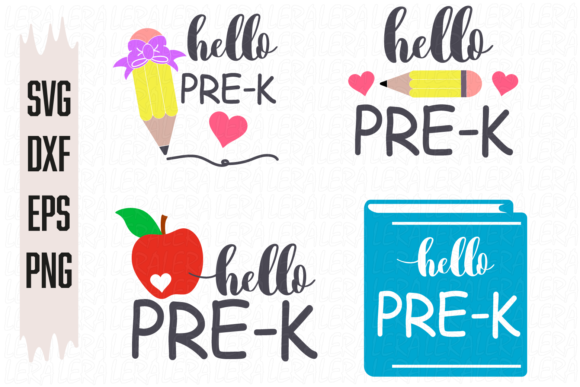
Back to School, Hello Pre-K: A Practical Guide for Creative Use
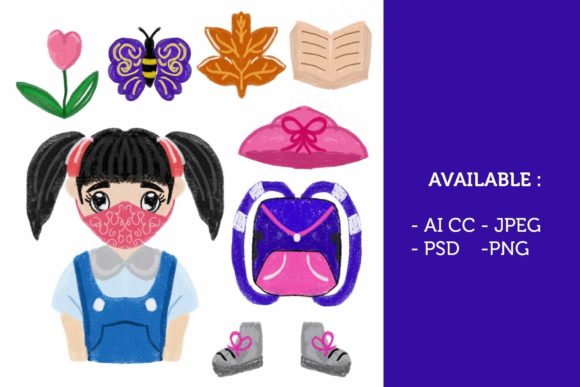
If you're preparing for the new school year or planning a special event for young learners, Back to School, Hello Pre-K offers a versatile collection of digital cliparts that can enhance your creative projects. These files come in multiple formats—SVG, DXF, EPS, AI, and PNG—making them suitable for a wide range of applications, from printed invitations to digital scrapbooking. Whether you're a teacher, parent, or small business owner, understanding how to use these files effectively is key to maximizing their value.
The set includes four individual files, all packed into a single ZIP archive. Before diving into your project, it's important to extract the files properly. This step ensures that you have access to each format without any issues. However, many users overlook this simple but crucial step, leading to confusion and wasted time.
Common Mistakes and Misunderstandings
One common mistake is assuming that all file formats are compatible with every software or cutting machine. For example, while SVG and PNG files are widely supported, AI and EPS formats may require specific tools. If you're using a cutting machine, check its compatibility with the file types you plan to use. Failing to do so can result in poor quality cuts or even damaged materials.
Another misunderstanding is not verifying the resolution and size of the images before downloading. Some users download high-resolution files without considering the intended use. If you're creating a digital invitation, a high-resolution PNG might be ideal, but if you're printing on a small card, an oversized image could lead to pixelation or unnecessary file size.
Some people also overlook the importance of checking the licensing terms. While the files may be free to use, there could be restrictions on commercial use or redistribution. Always review the terms to avoid legal issues down the line.
How Mistakes Affect Your Projects
Choosing the wrong file format can lead to inefficiencies in your workflow. For instance, if you try to use an AI file in a program that doesn't support it, you may need to convert the file, which can alter the quality or structure of the design. This can be especially frustrating when working under time constraints.
Incorrectly sized images can also affect the final presentation. If you're designing a poster or a greeting card, an image that’s too large or too small can make your design look unprofessional. Additionally, if you're using these cliparts for digital scrapbooking, mismatched sizes can disrupt the visual flow of your layout.
Ignoring compatibility issues with cutting machines can lead to wasted materials. If the file isn't correctly formatted, your machine may not cut the design as intended, resulting in unusable pieces and additional costs.
Practical Advice for Better Results
To avoid these pitfalls, start by identifying your specific needs. Ask yourself: What will I use these cliparts for? Which software or machines do I have available? Once you have a clear idea, choose the most appropriate file formats. For example, if you're using a Cricut or Silhouette machine, SVG and DXF files are typically the best choices.
Before downloading, take a moment to review the file details. Check the resolution, dimensions, and any licensing information provided. If you're unsure about the compatibility of a file, reach out to the provider for clarification. Most creators are happy to help and can guide you toward the best options for your project.
When working with multiple file types, organize them in separate folders. This makes it easier to locate the right file when you need it. It also helps prevent accidental overwriting or misplacement of important design elements.
Realistic Examples and Better Approaches
Imagine you're creating a series of party invitations for a preschool event. You download the Back to School, Hello Pre-K files and decide to use the PNG format for digital printing. However, you notice that the images appear blurry when printed. This could be due to low resolution. To fix this, you could re-download the files in a higher resolution or convert them to a vector format like SVG for better scalability.
Another scenario involves a teacher who wants to create classroom decorations. They download the AI files but find that their design software doesn’t support this format. Instead of struggling with the AI files, they opt for the SVG version, which works seamlessly with their preferred tool. This adjustment saves time and ensures a smoother design process.
If you're planning to use these cliparts for a commercial project, such as selling printed merchandise, double-check the licensing terms. Some providers allow personal use only, while others offer commercial licenses. Understanding these restrictions can help you avoid legal complications and ensure your project stays on track.
What to Check Before Using Back to School, Hello Pre-K
Before making a decision, consider the following checklist:
- File Compatibility: Ensure the file formats match your software and cutting machine requirements.
- Resolution and Size: Verify that the images meet the quality standards for your intended use.
- Licensing Terms: Review any restrictions on commercial use or redistribution.
- Software Requirements: Confirm that your design tools support the selected file types.
- Project Needs: Align your choice of files with the specific goals of your project.
By taking these steps, you can avoid common mistakes and make the most of the Back to School, Hello Pre-K cliparts. Whether you're designing invitations, creating educational materials, or crafting personalized gifts, these files offer a flexible and creative solution. With the right approach, you'll be able to enjoy the benefits of these resources without the frustration of technical or usability issues.